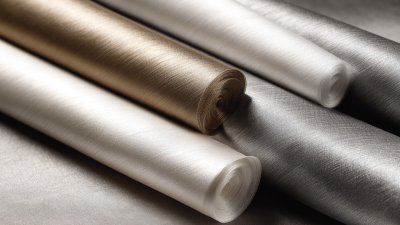
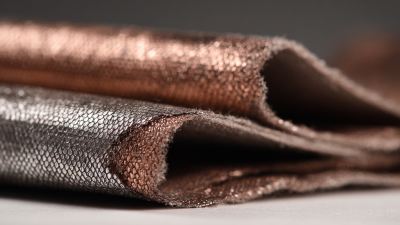
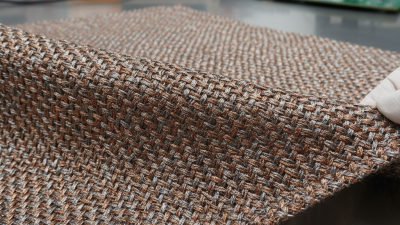
You know, when it comes to textiles, finding the right material can really make a big difference. I remember talking to Dr. Jonathan Reed from Advanced Textile Solutions, and he mentioned that a good Silver Coating Fabric can seriously boost both how something looks and how well it works. It’s pretty interesting how silver-coated Fabrics are becoming so important — whether it’s in fashion or industrial stuff.
Silver coating on fabrics brings a bunch of cool benefits, like better temperature regulation and natural antibacterial properties. Nylon fabrics with silver coating are especially versatile — not only are they durable, but they also add a touch of sophistication to everyday items. That said, choosing the perfect fabric can sometimes feel overwhelming with so many options out there. You’ve gotta think about things like conductivity, texture, and what you’re actually gonna use it for.
Now, even though there are tons of advantages, sourcing top-notch Silver Conductive Fabric isn’t always straightforward. Not every product on the market actually meets industry standards, so it can be tricky to judge what’s reliable. It’s super important to do your homework — checking out different suppliers and understanding what they’re offering. Making informed choices really comes down to balancing cost against quality. It’s a constant juggle for many folks navigating this ever-changing market.
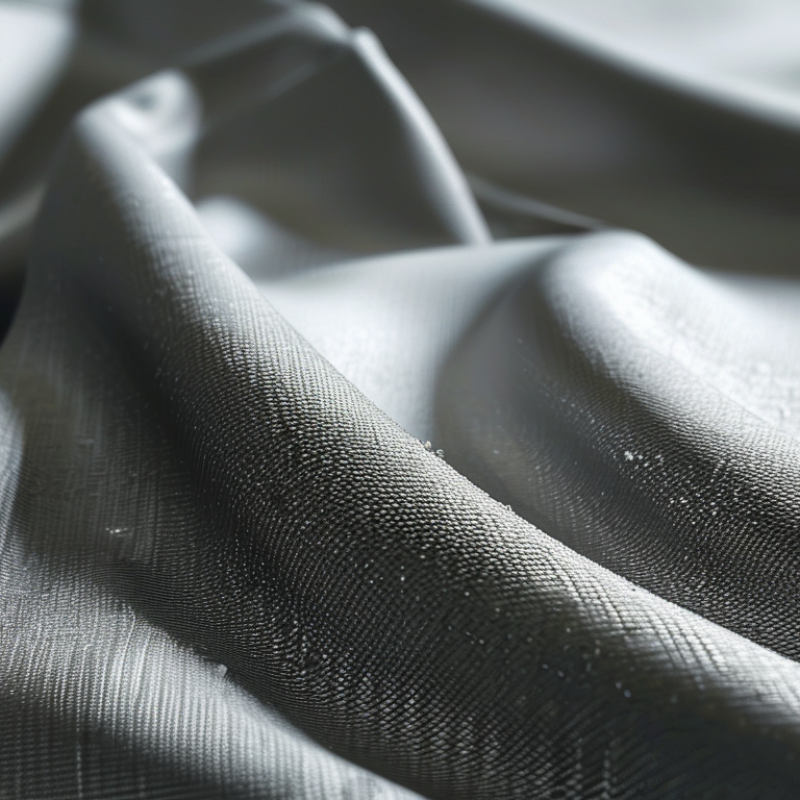
Understanding Silver Coating Fabric: An Overview
Silver coating fabric has become increasingly popular in various industries. Its unique properties make it valuable for applications that require both protection and conductivity. This fabric is often used in wearable technology, medical applications, and even in construction.
When exploring silver coating fabric, it’s important to understand its different types. For instance, silver coated spandex shielding fabric blends flexibility with functionality. This makes it ideal for garments that require movement while providing electromagnetic shielding. On the other hand, silver coating conductive fabric focuses on conductivity and is often used in electronic devices. It’s crucial to assess your specific needs when selecting the right type.
While silver coating fabrics offer many benefits, one should consider their limitations too. For example, they may lose conductivity over time or fail under harsh conditions. Balancing their advantages with practical challenges is vital. Proper care and maintenance can extend the life of these fabrics. Engaging with experts can provide further insight into the best choices for your needs.
Key Benefits of Using Silver Coating Fabric
Silver coating fabrics offer unique benefits that can enhance your daily life. Their antimicrobial properties help prevent the growth of bacteria and fungi. This is particularly beneficial for those who sweat a lot or for use in sportswear. The fabric also reflects UV rays, providing extra protection from sun exposure. This can be an important feature for outdoor enthusiasts who spend hours in the sun.
Additionally, silver-coated materials have excellent thermal regulation. They can help keep you warm in cooler temperatures while remaining breathable when it gets hot. This adaptability makes them ideal for various environments. Users often notice a significant difference in comfort. However, not all silver fabrics are equal. Some may lose their effectiveness after multiple washes, which can be a concern. It’s essential to choose a reliable source and check product longevity before making a decision. This will ensure the effectiveness of the fabric over time.
When considering silver coating fabrics, keep your needs in mind. Different applications may require different levels of silver content. It's worth doing some research to find the best fit. Experimenting with different types might lead to a better understanding of their real benefits and limitations.
Common Applications of Silver Coating Fabric
Silver coating fabric is becoming popular in various sectors due to its unique properties. One of the most common applications is in healthcare. Hospitals use silver-coated fabrics for bed linens and uniforms. The antimicrobial properties help reduce infections. Patients benefit from cleaner environments. These fabrics can be a smart choice, but cost can be a consideration.
Another significant use is in the fashion industry. Designers incorporate silver-coated materials for their anti-odor and temperature-regulating abilities. Sportswear brands are particularly interested in these features. Athletes need performance-driven clothing. Yet, durability can be a concern. Over time, the effectiveness of the coating may diminish, prompting a reevaluation of material choices.
In the realm of electronics, silver-coated fabrics play a role as well. They are used in shielding against electromagnetic interference. This is crucial for sensitive devices. Using these fabrics enhances performance. However, sourcing quality materials might be challenging. Not all silver-coated options offer the same level of protection or quality. Careful consideration is necessary when selecting the right fabric for specific needs.
Factors to Consider When Choosing Silver Coating Fabric
When choosing the best silver coating fabric, several critical factors come into play. One is the level of electromagnetic interference (EMI) shielding the fabric provides. According to a recent study, high-quality silver coating fabric can achieve shielding effectiveness up to 100 dB. This level ensures that sensitive electronic devices are protected from unwanted electromagnetic waves.
Another important factor is the weight and flexibility of the fabric. Lighter materials are easier to work with and can be used in a variety of applications, from clothing to medical equipment. Reports indicate that flexibility does not significantly compromise the fabric's protective characteristics, making it an ideal choice for diverse uses.
The durability of silver coating fabric is also paramount. High-quality options should resist wear and tear over time, even with frequent washing. Research highlights that some silver coating fabrics lose shielding effectiveness after just a few washes, while others maintain reliable performance for years. It’s crucial to assess lab test results when selecting a fabric. Reflecting on these factors can help you make an informed decision tailored to your specific needs.
Comparative Analysis of Different Silver Coating Fabrics
When evaluating silver coating fabrics, understanding their unique properties is crucial. Conductive Silver Fiber Fabric is engineered for applications requiring efficient electrical conductivity. This type of fabric often exhibits lower resistivity, enabling better performance in wearable technology. A recent report highlights that these fabrics can reduce electromagnetic interference by up to 50%, making them ideal for smart textiles.
On the other hand, Functional Silver Fiber Fabric focuses on additional benefits, such as thermal regulation and comfort. This type keeps the wearer cool in hot conditions while providing warmth in colder situations. According to industry data, these materials can enhance moisture-wicking properties, which is vital for athletic wear. Many consumers overlook these facts but choosing the right fabric can greatly impact overall performance.
Tips: Test swatches before bulk purchases. Pay attention to care instructions. Antimicrobial Silver Fiber Fabric stands out for its properties that fight bacteria and odor. Fabrics with this silver coating can last longer and require less frequent washing. However, not all antimicrobial treatments are created equal. It’s essential to check efficacy ratings during your selection process. Some products may not hold their antimicrobial properties after several washes. Therefore, keeping these aspects in mind will ensure the best fabric choice for your needs.
Maintaining and Caring for Silver Coating Fabric
silver coating fabric is gaining popularity for its unique properties. Many people appreciate its ability to block UV rays and reduce heat. However, caring for this fabric is essential for longevity.
Regular cleaning is crucial. Use mild detergents and avoid harsh chemicals. Hand washing is often better than machine washing. Remember to air dry it to maintain the fabric's integrity. If you choose to iron, do it on a low setting. Ensure your iron doesn’t touch the silver coating directly.
Storage is simple but important. Keep the fabric in a cool, dry place. Avoid folding it tightly, as this can create permanent creases. Consider rolling it instead. Silver coating fabric may lose its efficiency over time if not cared for properly. Reflect on your maintenance routine to ensure your fabric remains effective.
Discover the Best Silver Coating Fabric for Your Needs - Maintaining and Caring for Silver Coating Fabric
| Fabric Type | Silver Coating Method | Durability | Care Instructions | Best Use Cases |
| Polyester | Chemical Coating | 5 Years | Machine wash cold, tumble dry low | Activewear, Outdoor Gear |
| Cotton | Sublimation Printing | 3 Years | Hand wash, hang dry | Fashion Apparel, Loungewear |
| Nylon | Vacuum Metallization | 4 Years | Spot clean only | Costumes, Specialized Gear |
| Polypropylene | Physical Vapor Deposition | 6 Years | Machine wash cold, lay flat to dry | Industrial Applications, Tarps |
Future Trends in Silver Coating Fabric Technology
The realm of silver coating fabric technology is evolving rapidly. Innovations in this field promise enhanced functionalities and applications. For instance, researchers are exploring new methods to integrate silver nanoparticles into textile fibers. This allows for improved antibacterial properties and thermal regulation. The future may see fabrics that actively respond to environmental changes.
Sustainability is also becoming a key focus. As consumer awareness grows, there's pressure to develop eco-friendly processes. This includes recycling silver from post-consumer textiles and utilizing organic materials. The goal is to create products that are both effective and environmentally responsible. However, achieving this balance can be challenging.
Another trend involves the incorporation of smart technology. Fabrics with embedded sensors can monitor health metrics or environmental conditions. There are concerns about privacy and data security in these developments. Striking the right balance between innovation and ethics remains a topic for discussion. As these trends unfold, manufacturers must navigate the complexities of practicality and responsibility.
FAQS
: They have antimicrobial properties, UV protection, and excellent thermal regulation. These features enhance comfort and hygiene.
They prevent bacterial growth and odours, keeping athletes fresh. Thermal regulation helps manage temperature during activities.
No, their effectiveness can vary. Some may lose properties after multiple washes, affecting their performance over time.
Assess EMC shielding effectiveness, weight, flexibility, and durability. Research helps in selecting the best option for your needs.
They are used in healthcare, fashion, and electronics. Each application leverages unique properties for better performance.
Prices can differ significantly. High-quality options might cost more but are often worth it for their longevity and effectiveness.
Durability is vital. Some fabrics may lose effectiveness quickly, while others maintain functionality for years with proper care.
Yes, they offer shielding against electromagnetic interference, but ensure you select quality materials for adequate protection.
Absolutely! Understanding product details can prevent disappointment and ensure you choose fabric that meets your needs.
Yes, many silver fabrics may lose effectiveness after several washes, so regular evaluation is needed to ensure performance.
Conclusion
Silver Coating Fabric offers a unique blend of benefits that make it an attractive choice for various applications. With its antimicrobial properties, UV protection, and durability, this fabric is increasingly used in healthcare, sportswear, and indoor environments. When selecting the right silver coating fabric, several factors must be considered, including the intended use, environmental conditions, and maintenance requirements.
Future trends in silver coating fabric technology indicate a growing emphasis on eco-friendliness and enhanced performance characteristics. Comparative analyses of different types of silver coating fabrics highlight the importance of understanding their specific applications to maximize benefits. By staying informed about maintenance practices, users can ensure longevity and effectiveness, making silver coating fabric a valuable asset in diverse fields.