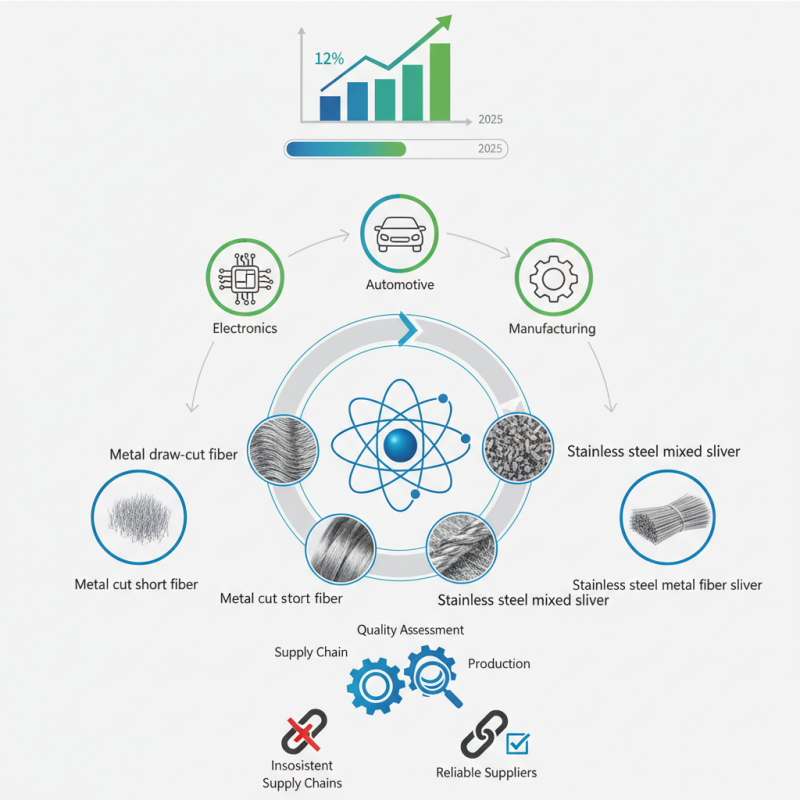
In the ever-changing world of textile manufacturing, it’s pretty clear that demand for high-quality 'Mixed Anti Static Fiber' products is really picking up. I came across a recent report from the Global Fiber Industry Association that estimates the Anti-Static fiber market could grow by around 12% come 2025—that’s a pretty solid jump! For businesses looking for reliable anti-static options, that’s definitely good news. Dr. Emily Wang, a well-respected expert in fiber technology, mentioned, 'Mixed Anti Static Fiber products are super important for keeping safety and efficiency in check across different industries.'
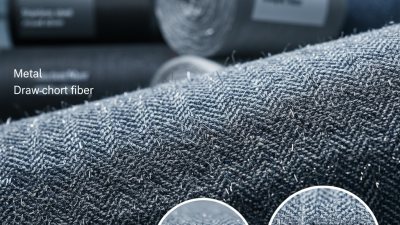
What’s great is, these fibers aren’t one-size-fits-all. They come in various forms, like Metal draw-cut fibers, Metal cutting Staple Fibers, and Stainless steel mixed sliver—so they actually work for lots of different applications. Industries like electronics and even automotive rely on these fibers to prevent static sparks from causing trouble. But here’s the catch: finding the right wholesale suppliers isn’t always straightforward. Many businesses struggle to get consistent quality or fair pricing.
On top of that, it’s important to really understand the properties of things like Metal cut short fiber and Stainless steel fiber sliver. Sometimes, supply chain hiccups can cause delays, which is never fun. Like Dr. Wang pointed out, 'Picking the right supplier is just as important as choosing the right material.' So, making sure your supplier can meet your needs without a fuss really makes all the difference if you want to keep things moving smoothly.
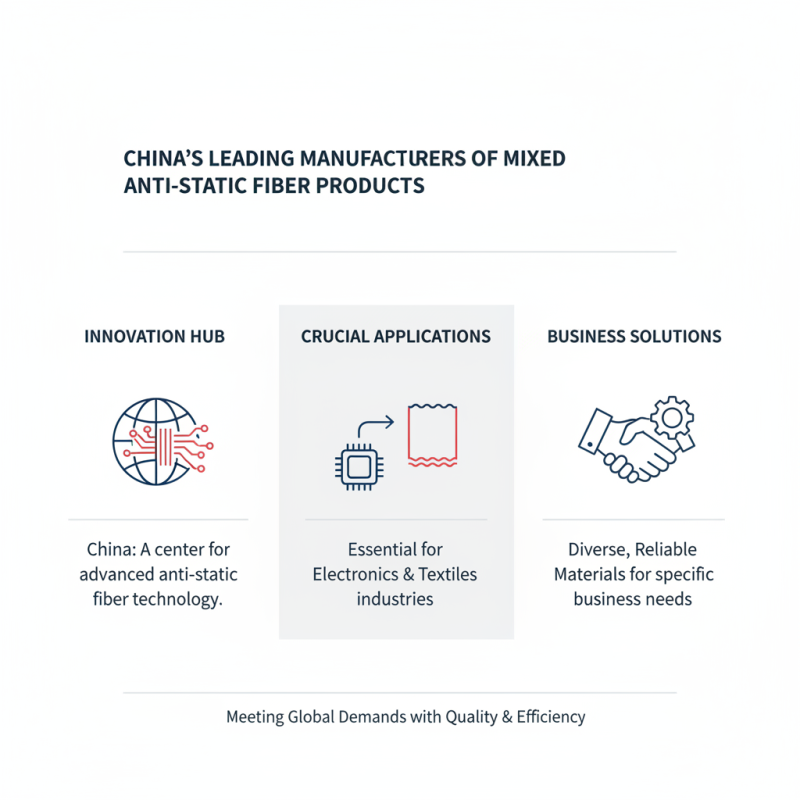
China's Leading Manufacturers of Mixed Anti-Static Fiber Products
China has emerged as a hub for innovative mixed anti-static fiber products. These fibers play a crucial role across various industries, including electronics and textiles. The importance of reliable materials cannot be overstated. Manufacturers in China offer diverse solutions that meet specific business needs.
Leading manufacturers focus on quality and performance. They invest in advanced technology to create fibers that effectively reduce static buildup. This is vital for sensitive electronic components. However, not all products are created equal. Some may fall short in durability or effectiveness. It's essential for businesses to carefully evaluate their options.
Collaboration with reputable suppliers can enhance the purchasing process. Suppliers should provide comprehensive information about their products and manufacturing processes. Transparency builds trust. However, some manufacturers may struggle with consistency. Regular updates and feedback can help businesses navigate these challenges. Ultimately, choosing the right anti-static fiber requires careful consideration and due diligence.
Understanding Anti-Static Fibers and Their Applications in Various Industries
Anti-static fibers play a crucial role in various industries. These fibers are designed to prevent static electricity buildup, a significant issue in environments where sensitive electronics are handled. Industries such as electronics manufacturing and medical fields depend heavily on these materials. According to a recent industry report, the global demand for anti-static solutions is expected to grow by over 6% annually. This highlights the increasing importance of anti-static mixed fiber in production processes.
The applications for anti-static mixed fiber are diverse. In electronics, it prevents potential damage from ESD (Electrostatic Discharge). In clean rooms, these materials ensure a contamination-free environment. A study from a leading research institute revealed that using anti-static fibers reduces the risk of defects by nearly 30%. This makes them essential for quality control. However, not all anti-static options are equally effective, which leads businesses to question their selections.
While anti-static mixed fiber has undeniable benefits, it also comes with challenges. Not all manufacturers follow the best production practices. This may result in inconsistencies in product performance. Regular testing and quality assurance are necessary to ensure the reliability of these fibers. Businesses must invest in suppliers who prioritize high standards to truly benefit from anti-static mixed fiber.
Benefits of Using Mixed Anti-Static Fiber in Your Business Operations
Using mixed anti-static fibers in business operations offers several advantages. These fibers effectively prevent static electricity buildup, which can damage sensitive electronic components. In industries like electronics manufacturing, static discharge can result in losses of up to $5 billion annually due to equipment failures and product defects. This statistic underscores the importance of using anti-static materials.
Moreover, mixed anti-static fibers have enhanced durability. They withstand various conditions, ensuring long-lasting performance. A recent study indicated that products made with these fibers can last 30% longer than traditional materials. This longevity translates into a reduction in both operational costs and waste. Businesses benefit from lower replacement rates, positively impacting their bottom line.
However, adopting mixed anti-static fibers can lead to challenges. For instance, sourcing high-quality materials may be difficult. Companies must ensure they are working with reliable suppliers to maintain product integrity. As industries evolve, staying informed about the latest developments in fiber technology is crucial. Companies that do not keep pace risk falling behind their competitors. These complexities highlight the need for continuous learning in the field.
Benefits of Using Mixed Anti-Static Fiber in Your Business Operations
Key Factors to Consider When Sourcing Anti-Static Fibers
When sourcing anti-static fibers for your business needs, consideration of quality and specification is paramount. Recent industry reports indicate that anti-static materials reduce static electricity build-up by over 90%, a crucial factor in electronics and sensitive equipment manufacturing. The right fiber choice can enhance product longevity and safety.
Focus on the material type. Common options include polyester and nylon, both of which provide varying levels of conductivity. Look for suppliers offering detailed technical data sheets. These sheets should outline electrical properties and performance metrics.
Tips: Evaluate the supplier’s experience in the field. A knowledgeable supplier will provide guidance on the most suitable fabric for your specific applications. Additionally, test samples prior to bulk orders. This ensures alignment with your production needs, reducing future missteps. Remember, not every fiber will meet every requirement, so assess each option critically.
Comparative Analysis of Different Types of Anti-Static Fiber Products
When exploring the landscape of anti-static fiber products, a comparative analysis reveals varying types and their respective applications. The global market for anti-static materials is projected to grow significantly, with the demand driven by industries such as electronics and textiles. Reports indicate that anti-static mixed fiber is particularly favored for its versatility in reducing static electricity and ensuring safety. Products made from this fiber are used extensively in cleanroom environments, where electrostatic discharge (ESD) can cause expensive equipment damage.
Different types of anti-static fiber offer unique benefits. For example, polyester blends often provide good strength and durability, while nylon fibers can offer enhanced elasticity. Industry studies show that a mix of fibers can lead to superior performance in electrostatic dissipation. However, not all anti-static mixed fiber products are created equal. Quality can vary widely among manufacturers. Understanding the material composition is crucial for businesses aiming to meet specific standards.
There is an ongoing debate about the effectiveness of various anti-static solutions. Some products may not perform reliably under specific conditions. Data suggests that meticulous testing is essential prior to making bulk purchases. Buyers should reflect on their unique needs and carefully evaluate potential suppliers. This will ensure that their choice of anti-static mixed fiber aligns with their operational requirements.
China Best Wholesale Mixed Anti Static Fiber Products for Your Business Needs
| Product Type | Material | Length (m) | Weight (g/m2) | Static Decay Time (sec) | Price (USD) |
| Anti-Static Fiber | Nylon | 50 | 120 | 0.5 | 15.00 |
| Conductive Fiber | Polyester | 100 | 150 | 0.3 | 18.00 |
| ESD Fabric | Cotton | 75 | 200 | 0.4 | 25.00 |
| Anti-Static Yarn | Viscose | 200 | 80 | 0.6 | 12.00 |
How to Choose the Right Wholesale Supplier for Anti-Static Fibers
Choosing the right wholesale supplier for anti-static fibers is crucial for your business. Start by evaluating suppliers’ experience in the industry. A supplier with a solid track record typically understands market needs and product quality. Look for those who provide comprehensive details about their production processes, including the sourcing of fibers. Reliable suppliers often disclose information on mixed Kevlar fiber fabric and its applications. Questions to ask include their certifications and product testing standards.
Assess their product range, including specialized items like Bulletproof 1000d Aramid Yarn. This specific type of aramid fiber yarn is known for its durability and strength. Inquire about heat insulation options and how they handle mixed Kevlar fibers. Not all suppliers may have experience with yellow heat insulation or preoxygenated fiber.
Consider the responsiveness of the supplier. Timely communication reflects reliability. Be cautious if you encounter vague answers or slow responses. A trustworthy supplier should be open about capabilities and limitations. Reflect on whether they can meet your business's specific needs in the long term.
Trends in the Anti-Static Fiber Market and Future Prospects for Businesses
The anti-static fiber market is evolving rapidly. Businesses are increasingly interested in mixed fibers for their diverse applications. The demand for products like metal fiber with polyester mixed fiber has surged. These combinations provide excellent static control and durability, essential in many industries.
Trends indicate a shift towards sustainable and efficient materials. Companies are focusing on innovative processing techniques that enhance the functionality of anti-static fibers. While the market offers various options, not all products meet quality standards. This inconsistency creates challenges for businesses seeking reliable solutions. Investing in research and development is vital to ensure superior product performance.
As the market continues to grow, businesses must navigate these changes carefully. Understanding the properties of different fibers helps in making informed decisions. The future lies in balancing cost and quality while prioritizing environmental impact. Awareness of these trends is crucial for staying competitive in the market.
Exploring the Versatility and Applications of Meta-Aramid Fiber: A Comprehensive Guide to 51mm/1.5D, 2D, and 5D Variants
Meta-aramid fibers are increasingly recognized for their remarkable versatility and applications across various industries. With their unique combination of high strength, thermal stability, and exceptional chemical resistance, these fibers are ideal for environments that demand superior performance. A comprehensive analysis of different variants—specifically the 51mm/1.5D, 2D, and 5D types—reveals how they cater to distinct needs while maintaining their core protective qualities.
Research indicates that the global meta-aramid fiber market is projected to witness significant growth, driven by rising demands in sectors such as aerospace, automotive, and fire protection. According to a recent industry report, the use of meta-aramid fibers in protective clothing and safety gear is expected to expand at a CAGR of over 5% in the next five years. These fibers exhibit remarkable thermal endurance, capable of withstanding temperatures exceeding 370°C. This property is vital for applications where human safety is paramount, such as firefighting gear and industrial heat-resistant apparel.
Moreover, the chemical resistance of meta-aramid fibers enables their utility in environments exposed to harsh chemicals and corrosive substances, making them invaluable in the manufacturing and processing industries. As organizations increasingly prioritize worker safety and performance reliability, the demand for meta-aramid fibers and their variants is set to escalate, highlighting the need for continued innovation and development in this essential material sector.
FAQS
: Quality and specification are crucial. Consider how effectively the material reduces static electricity.
Polyester and nylon are common choices. Each offers different conductivity levels.
Check the supplier's experience. Knowledgeable suppliers provide tailored guidance for your needs.
Testing ensures alignment with your production needs. It helps prevent future mistakes and misalignment.
There is a growing interest in mixed fibers. These combinations improve static control and durability.
Invest in research and development. This is key to achieving superior product performance.
Sustainability is becoming important. Balancing cost, quality, and environmental impact is crucial.
Inconsistent standards exist across the market. This variation can make reliable sourcing challenging.
Conclusion
The article explores the significance of mixed anti-static fiber products in various industries, highlighting China's leading manufacturers in this sector. Anti-static fibers play a crucial role in preventing electrostatic discharge, which can damage electronic components and create safety hazards. The benefits of using mixed anti-static fibers in business operations include enhanced product quality, improved safety, and increased efficiency.
When sourcing these materials, businesses must consider key factors such as supplier reliability, product quality, and variations in anti-static fiber types. A comparative analysis provides insights into different products available in the market. Additionally, the article emphasizes the importance of choosing the right wholesale supplier and discusses emerging trends in the anti-static fiber market, indicating promising future prospects for businesses leveraging mixed anti-static fiber solutions.