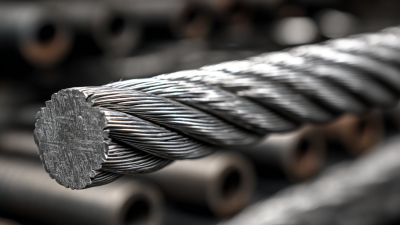
Picking the right MTB Metal Wire Ropecan really make a big difference in how your project turns out. I mean, as John Smith from SteelTech Industries puts it, "Choosing the right Wire rope isn’t just about safety – it’s about making things run smoothly and efficiently." Of course, figuring out which wire rope to go with starts by understanding what you actually need for your specific job.
Think about stuff like how much weight it needs to handle, whether it’s resistant to rust and corrosion, and how flexible it should be. MTB Metal Wire Rope comes in all kinds of grades and styles, each with their own pros and cons. It's pretty common for engineers to second-guess their initial picks. Sometimes, the first option you go for isn’t the perfect fit.
And let’s not forget—projects change as they develop, which means your requirements might shift too. Taking the time to do a solid evaluation can really help you make better choices in the long run. And, if you get some advice from industry pros, that can steer you in the right direction. After all, in a field where precision really counts, having the right Mtb Metal Wire Rope can save you from some costly mistakes down the line.
Factors to Consider When Choosing MTB Metal Wire Rope
When selecting MTB metal wire rope, several factors come into play. Consider the rope's diameter, which significantly affects its strength and flexibility. A larger diameter often provides more load-bearing capacity. According to industry reports, a rope with a diameter of 10 mm can handle approximately 1,500 kg in tensile strength. This data highlights the importance of matching the rope's specifications with your particular needs.
The construction and material of the rope play crucial roles as well. For environments exposed to high heat, products like Mesh Ring Belts with 800 Degrees Used for Covering Automobile Glass MTB Metal Wire Rope are essential. These ropes resist thermal damage, ensuring durability in demanding applications. Additionally, the type of wire used in the construction can influence both performance and longevity. Metals like stainless steel offer corrosion resistance, while others may be lighter but less durable.
Lastly, evaluate the intended use for the wire rope. Is it for lifting, pulling, or securing? Each application has unique requirements. Often, users focus more on the cost than suitability. This can lead to choosing the wrong type, which fails under pressure. Understanding these factors ensures a more informed decision, ultimately enhancing safety and performance.
Factors to Consider When Choosing MTB Metal Wire Rope
Understanding Different Types of MTB Metal Wire Rope Materials
When selecting the right MTB metal wire rope, understanding the various materials is crucial. Steel wire ropes are common for their high tensile strength. They can withstand heavy loads, making them suitable for tough terrains. However, they are prone to rust if not maintained well. Stainless steel is an alternative, offering great corrosion resistance. It's ideal for areas with high moisture or saltwater exposure.
Another option is aluminum wire rope. It is lighter and easier to handle, but not as strong as steel. This material is perfect for applications where weight matters. For specialized needs, synthetic wire ropes made from advanced polymers could be considered. These are resistant to abrasion and have a much longer lifespan in certain conditions.
Each material has its pros and cons. The decision should be based on specific needs. Choosing the wrong type could lead to safety issues and performance problems. Always reflect on the environment and challenges the rope will face. Understanding these factors is key to making a better choice.
Load Capacity and Strength Specifications for MTB Wire Rope
When selecting MTB metal wire rope, understanding load capacity and strength specifications is crucial. A wire rope's load capacity indicates how much weight it can safely handle. It often depends on factors such as the rope's diameter and construction type. For example, a 6mm diameter wire rope typically supports around 800 kg under optimal conditions. However, this can vary with the rope design and material.
Moreover, strength specifications include tensile strength and breaking strength. Tensile strength measures the maximum pull a rope can withstand before breaking. Reports suggest that high-quality steel wire ropes can have tensile strengths exceeding 2000 MPa. Yet, actual performance can be influenced by conditions like wear and environmental exposure. Understanding these details can save users from potential failures.
It’s vital to select a wire rope that matches your specific requirements. Mistakes in choosing the wrong type can lead to issues. For instance, using a rope with insufficient capacity may cause accidents. Evaluating the wire rope's specifications and real-world performance data can help make informed choices and minimize risks.
Environmental Conditions: Corrosion Resistance and Durability
When selecting the right MTB metal wire rope, consider the environmental conditions it will face. Corrosion resistance is crucial in harsh settings, such as coastal areas or industrial environments. A wire rope made from quality materials can withstand moisture and salt. Look for stainless steel options, as they typically offer superior durability.
Choose ropes like the Spot 6mm 316L Metal fiber Conductive Rope. Its Silver Fiber enhancesanti-static properties, making it suitable for various applications. This feature is essential when working with sensitive equipment. A robust wire rope can significantly reduce maintenance costs over time.
Tips: Test the rope in real conditions before full deployment. Check for wear and tear regularly. Think about storage too. Protect your wire ropes from elements when not in use. Small actions can prolong their life and performance, ensuring you don’t face unexpected failures later.
Diameter and Length: Finding the Right Dimensions for Your Needs
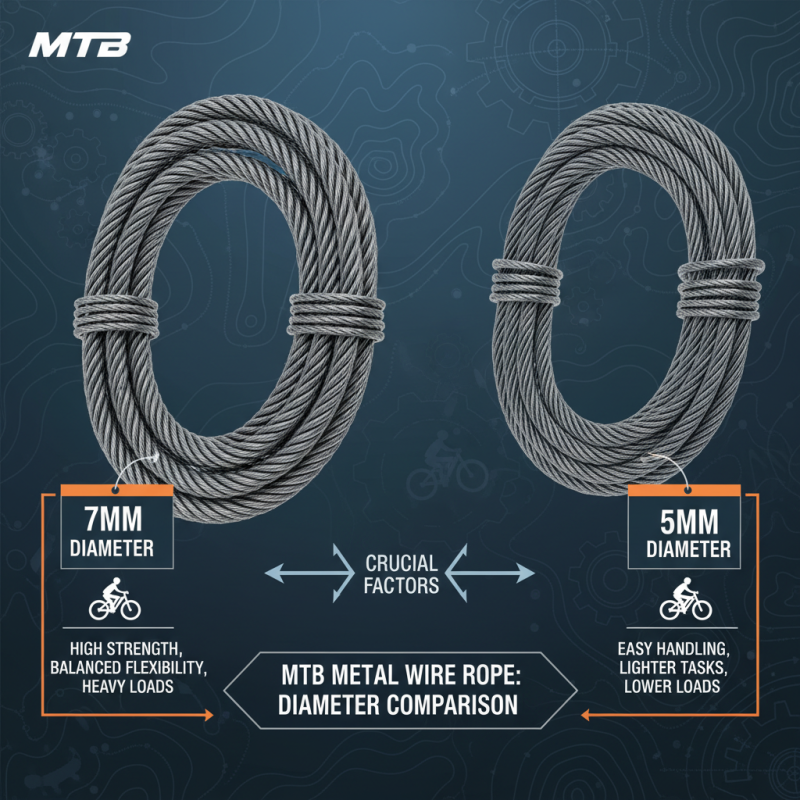
When selecting the right MTB metal wire rope, diameter and length are crucial factors. The diameter affects strength and flexibility. A thicker rope can handle higher loads but may be less flexible. Thinner ropes are easier to manipulate but could break under pressure. For example, a 7mm diameter wire rope offers a good balance between strength and ease of use. On the other hand, 5mm may suffice for lighter tasks. Understanding your specific needs will guide your choice.
Length is equally important. A rope too short limits your use, while an overly long one can be cumbersome. Consider where you'll be using it. If it’s for securing items, measure the distance carefully. A length of 20 meters might seem excessive, but it provides versatility. You may find yourself needing extra length if your setup changes. It’s worth taking measurements or trying different lengths before purchasing. Getting these dimensions right can make a significant difference in performance and usability, yet many overlook this aspect.
Safety Standards and Certifications for MTB Metal Wire Ropes
When selecting MTB metal wire ropes, safety standards are paramount. The industry follows strict regulations to ensure reliability and durability. For instance, organizations like ASTM and ISO provide guidelines on tensile strength and fatigue resistance. A report from the Wire Rope Technical Board indicates that wire ropes fail due to improper installation or wear. Inappropriate usage can compromise safety.
It’s vital to check certifications before purchasing. Look for compliance with safety standards such as EN 13414 or other recognized certifications. Ropes meeting these standards support maximum load capacities and provide stability. A robust option is the Manufacturer Produces Silver Plated Fiber Conductive Metal Rope Stainless Steel Anti Static Rope. This type emphasizes both electrical conductivity and corrosion resistance.
Tips: Always inspect ropes for signs of wear or damage. If in doubt, consult professionals. Prioritize quality over price. Cheaper options might not meet safety regulations. Never compromise on safety. The right choice protects both users and equipment.
Cost Analysis: Budgeting for Quality MTB Metal Wire Rope
When considering the cost of MTB metal wire rope, it’s crucial to analyze your budget carefully. Quality often comes at a higher price. However, skimping on quality can lead to expensive issues down the line. Think about the environment in which the wire rope will be used. For harsh conditions, investing in high-quality materials makes sense. Would you risk safety for a lower cost?
Understanding the total cost involves more than just the purchase price. Maintenance costs can add up. Choosing the right diameter and type, like the Spot Supply of Silver Fiber 6mm3mm Electrostatic Rope Coating Printing Textile Film Industrial Anti-Static Rope, might seem expensive initially. Yet, these investments can enhance performance and durability. Don’t forget to estimate replacement costs, as cheaper ropes may wear out quickly.
Mistakes can happen when budget constraints overshadow quality. Reflecting on past experiences may help inform current decisions. Balancing cost and quality takes time. Each choice should align with your specific needs. Choosing wisely today can prevent regret tomorrow.
Innovative Filtration Solutions: Exploring the Benefits of Micro Metal Fiber Filter Cartridges
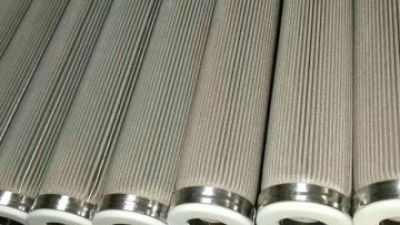
The integration of micro metal fiber filter cartridges into filtration systems is transforming the industry by offering innovative solutions that enhance performance and efficiency. These pleated filter cartridges are crafted from randomly laid metal fibers that are sinter-bonded to form a high-porosity medium. Notably, this design facilitates a significantly low pressure drop, which is crucial for maintaining optimal flow rates and energy efficiency. According to recent industry reports, a reduction in pressure drop can lead to energy savings of up to 30% in certain applications, highlighting the economic advantages of adopting these advanced filtration solutions.
In addition to their impressive permeability, the dirt holding capacity of sintered metal fiber filters sets them apart from traditional filtration options. By incorporating pleating technology, the available filtration area is maximized, increasing dirt holding capacity and minimizing the frequency of maintenance interventions. This capability not only extends the operational lifespan of the filter elements but also improves the overall reliability of filtration processes. A study conducted by filtration industry experts indicates that implementing high-capacity filter solutions can result in a 40% increase in operational efficiency and productivity, underscoring the substantial benefits that innovative micro metal fiber technology can bring to various sectors.
With the ongoing evolution of filtration technology, micro metal fiber filter cartridges represent a forward-thinking approach that aligns with the industry's increasing demand for sustainable and efficient solutions. Their performance-driven attributes offer a compelling case for businesses looking to upgrade their filtration systems while ensuring compliance with environmental standards.
FAQS
: The article discusses various topics related to consumer interests and insights.
Yes, the content is designed for a wide audience.
Topics include lifestyle, trends, and market insights.
It uses real-life examples and relatable scenarios.
Most language is simple, but some terms might be confusing.
Some suggestions are straightforward, while others may require effort.
No, there are areas that could be improved or expanded upon.
Some insights reference data, while others are based on observations.
It’s good to revisit regularly to stay updated on evolving trends.
Some advice may not apply to every individual's situation or context.
Conclusion
Choosing the right MTB metal wire rope involves several key considerations to ensure it meets your specific requirements. First, understanding the various materials available is crucial, as each offers different properties in terms of strength and corrosion resistance. The load capacity and strength specifications should align with your intended use, while environmental factors play a significant role in determining the durability of the wire rope.
Additionally, selecting the appropriate diameter and length for your MTB metal wire rope is essential for optimal performance. Familiarity with safety standards and certifications will further guide your choice, ensuring reliability and adherence to regulations. Finally, conducting a cost analysis allows you to budget effectively while prioritizing quality, thereby making an informed decision that balances performance with financial considerations.