Leave Your Message
0%

In the fast-changing world of electronic Textiles, Copper Nickel Conductive Cloth has really stood out as a go-to material for all kinds of innovative projects. I was chatting with Dr. Emily Carter from the Advanced Materials Research Institute, and she pointed out that
"The special properties of Copper Nickel Conductive Cloth make it super easy to incorporate into a bunch of different applications. It boosts functionality without adding bulk or weight." Basically, this stuff isn’t just great at conducting electricity—it’s also pretty flexible when it comes to design and uses.

As more engineers and designers start embracing new materials, it’s really important to get a handle on how best to use Copper Nickel Conductive Cloth. Whether you're into making wearable tech or smart textiles, adding this Fabric can honestly take your projects to a whole new level. In this guide, I’m sharing the top five tips for making the most out of Copper Nickel Conductive Cloth, so you can tap into its full potential and really push the limits of what’s possible with conductive textiles.
Top 5 Tips for Using Copper Nickel Conductive Cloth in Your Projects

Understanding Copper Nickel Conductive Cloth and Its Applications

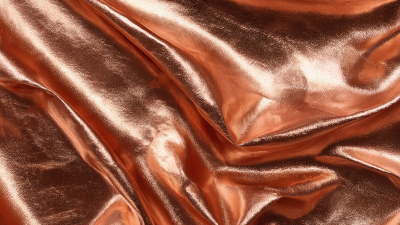
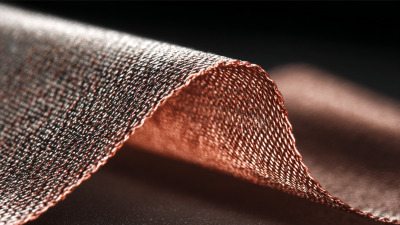
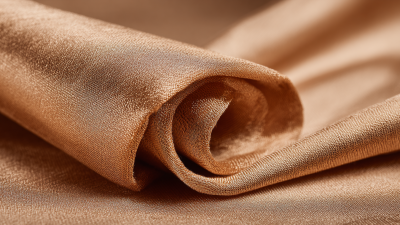
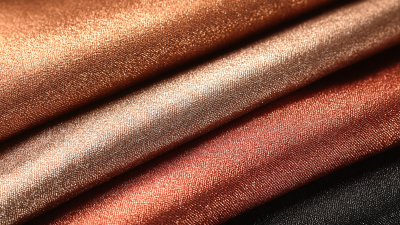
Copper nickel conductive cloth is an innovative material that integrates the unique properties of both copper and nickel into a flexible fabric form. This blend provides excellent conductivity, making it an ideal choice for a range of electronic applications. The fabric can be used in EMI shielding, grounding, and even as a conductive layer in wearables or smart textiles, where efficient energy transfer is crucial. Its lightweight and flexible nature allows it to conform easily to various shapes and surfaces, adding to its versatility in tech-driven projects.

Additionally, the applications of copper nickel conductive cloth extend beyond traditional electronics. In the realm of aerospace, automotive, and medical devices, this material can provide essential electrical grounding while also reducing weight. Its durability and resistance to corrosion ensure long-lasting performance in challenging environments. Designers and engineers can leverage the unique properties of this conductive cloth for creating enhanced prototypes and innovative solutions that respond to the demand for higher efficiency and lower electromagnetic interference. Understanding these applications is vital for integrating copper nickel conductive cloth into modern engineering and design projects successfully.

Top 5 Tips for Using Copper Nickel Conductive Cloth in Your Projects

Tip Number Tip Description Application Area
1 Ensure Proper Thickness Selection Wearable Electronics
2 Utilize for EMI Shielding Consumer Electronics
3 Integrate into Smart Fabrics Textile Industry
4 Maintain Cleanliness to Avoid Oxidation Industrial Applications
5 Select Appropriate Adhesives for Bonding Automotive Wiring

Key Properties of Copper Nickel Alloys Affecting Conductivity

Copper nickel alloys are renowned for their excellent conductivity, making them a vital choice for various applications in electronics and beyond. One of the key properties that affect conductivity is the composition of the alloy itself. Typically, copper nickel comprises varying percentages of copper and nickel, with the ratio impacting electrical and thermal conductivity. Higher nickel content can enhance corrosion resistance, which is crucial in applications exposed to harsh environments, but may slightly reduce conductivity compared to pure copper.

Another important factor is the microstructure of the copper nickel alloy. The arrangement and size of the grains in the alloy can significantly influence its conductive properties. For instance, a finer microstructure can improve conductivity by providing a more consistent path for electron movement. Additionally, factors such as temperature and the presence of impurities can also play a critical role in determining the overall performance of copper nickel conductive cloth in practical applications. Understanding these properties allows for better integration of copper nickel alloys in projects that require reliable and efficient conductivity.

Integrating Conductive Cloth in Electronic & Electromagnetic Applications

Copper nickel conductive cloth has gained traction in electronic and electromagnetic applications due to its unique properties of conductivity, flexibility, and lightweight characteristics. According to a report by MarketsandMarkets, the global conductive textiles market is projected to reach $3.7 billion by 2026, with a significant surge in demand for innovative materials like copper-nickel blends. These advanced materials are being utilized in a variety of applications, including smart textiles, wearable electronics, and electromagnetic shielding.

When integrating conductive cloth into your projects, it’s vital to consider the specific needs of your application. One important tip is to ensure that the cloth’s conductivity matches the requirements of your project. For example, for projects needing high-frequency electromagnetic interference (EMI) shielding, the cloth should have a low resistivity to effectively block unwanted signals. Additionally, proper surface treatment can enhance adhesion properties, particularly when attaching the cloth to other substrates.

Another key aspect is the mechanical properties of the conductive cloth. Ensure that the fabric’s flexibility and durability are suitable for the intended use, especially in wearable tech. A report from the Technical Textiles Association highlights that textiles with a tensile strength of over 30 MPa perform better in dynamic applications. Therefore, selecting a cloth that balances conductivity with mechanical resilience is essential for long-lasting performance in electronic and electromagnetic systems.

Best Practices for Cutting and Shaping Copper Nickel Fabric

When working with copper nickel conductive cloth, precision in cutting and shaping the fabric is essential to ensure optimal performance in electrical applications. The unique properties of this material, which include excellent conductivity and corrosion resistance, make it a preferred choice in various fields such as aerospace and electronics. According to a report from the International Journal of Manufacturing Science and Engineering, improper handling of conductive materials can result in significant performance loss, emphasizing the importance of adhering to best practices during the fabrication process.

One crucial tip for cutting the copper nickel fabric is to use sharp, non-serrated scissors or a rotary cutter. This minimizes fraying and ensures clean edges, which is vital for maintaining conductivity. Additionally, it’s beneficial to lay the fabric flat on a cutting surface and use a straightedge to guide your cuts. Another best practice is to take advantage of the fabric's properties by shaping it at room temperature, as this reduces the likelihood of damage to the copper nickel interface. The optimal cutting angle is typically between 30 and 45 degrees, allowing for precise edges that enhance the durability of your project.

When shaping the fabric, consider using a heat gun set to a low temperature. Gently applying heat can help mold the cloth into desired shapes without compromising its electrical properties. Research from the Journal of Materials Science indicates that heat application can improve the adhesion of the fabric when bonded with other materials, enabling seamless integration in projects requiring conductivity. By following these tailored cutting and shaping techniques, you can maximize the performance and longevity of your copper nickel conductive cloth applications.

Effective Methods for Conductive Cloth Installation and Attachment

Top 5 Tips for Using Copper Nickel Conductive Cloth in Your Projects

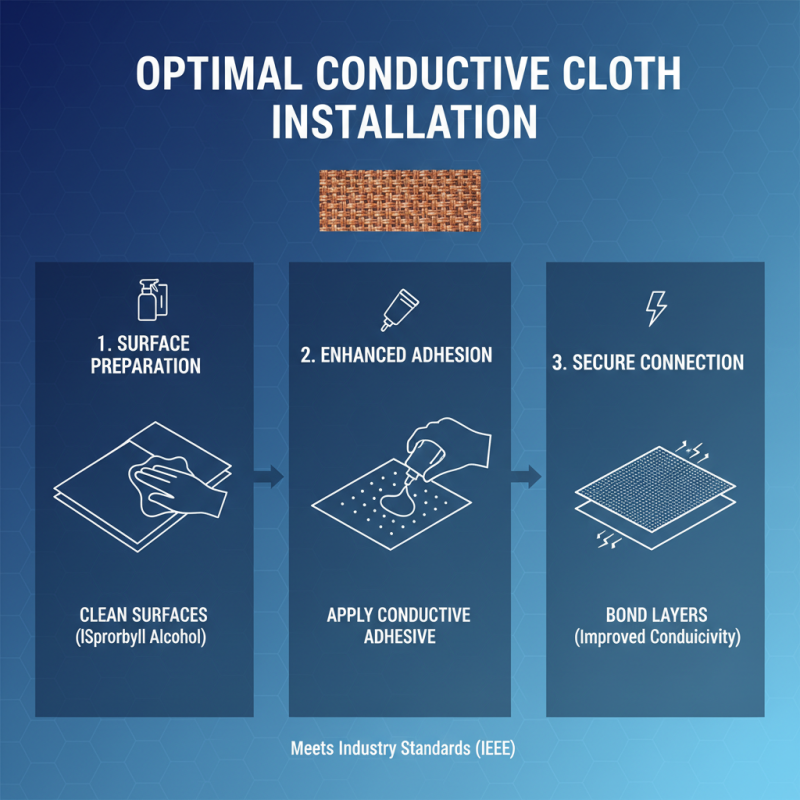
When integrating copper nickel conductive cloth into your projects, effective installation and attachment methods are crucial for optimal performance. Start by ensuring that surfaces to be bonded are clean and free of contaminants. Experts recommend using isopropyl alcohol for cleaning, as it evaporates quickly and leaves no residue. Additionally, utilizing conductive adhesive can enhance the electrical connection between layers, promoting better conductivity that meets industry standards, as detailed in reports by the IEEE and other leading organizations.

When applying conductive cloth, it is essential to achieve a snug fit to maintain electrical integrity. Overlapping edges can lead to signal loss, so cutting your conductive cloth into precise shapes is advisable. For attachment, consider mechanical methods such as stitching or riveting, which provide robust physical connections while minimizing potential EMI interference. According to a report from the International Electrotechnical Commission, mechanical attachments can improve durability, especially in applications subject to mechanical stress.

For enhanced performance, incorporate the following tips: first, always test the conductivity after installation to ensure that the connections are effective. Second, consider environmental factors such as humidity and temperature, which can affect the performance of your conductive materials. Finally, when layering conductive cloth, ensure that adjacent layers are properly aligned to prevent short circuits, maintaining your project's functional and safety standards.

Maintenance Tips to Ensure Longevity and Performance of Conductive Fabrics

When working with copper nickel conductive cloth, proper maintenance is key to ensuring both its longevity and performance. One of the primary considerations is to regularly inspect the fabric for any signs of wear or damage. Since conductive fabrics can be sensitive to environmental factors, maintaining a clean workspace and minimizing exposure to harsh chemicals will help preserve their integrity. Utilize gentle cleaning methods, such as using mild detergents and lukewarm water, to remove any dirt or residues, taking care not to scrub too hard, as this may damage the conductive properties.

In addition to regular cleaning, it is crucial to store the conductive cloth correctly when not in use. Keep it in a controlled environment where the temperature and humidity levels are stable, avoiding exposure to direct sunlight or extreme temperatures that could degrade the fabric over time. Folding the cloth neatly rather than rolling it can also prevent creases that might affect its conductivity. By following these maintenance tips, you can maximize the lifespan and effectiveness of copper nickel conductive cloth in your projects, ensuring optimal performance during use.

Top 5 Tips for Using Copper Nickel Conductive Cloth

Industry Standards and Compliance Considerations for Conductive Materials

Top 5 Tips for Using Copper Nickel Conductive Cloth in Your Projects

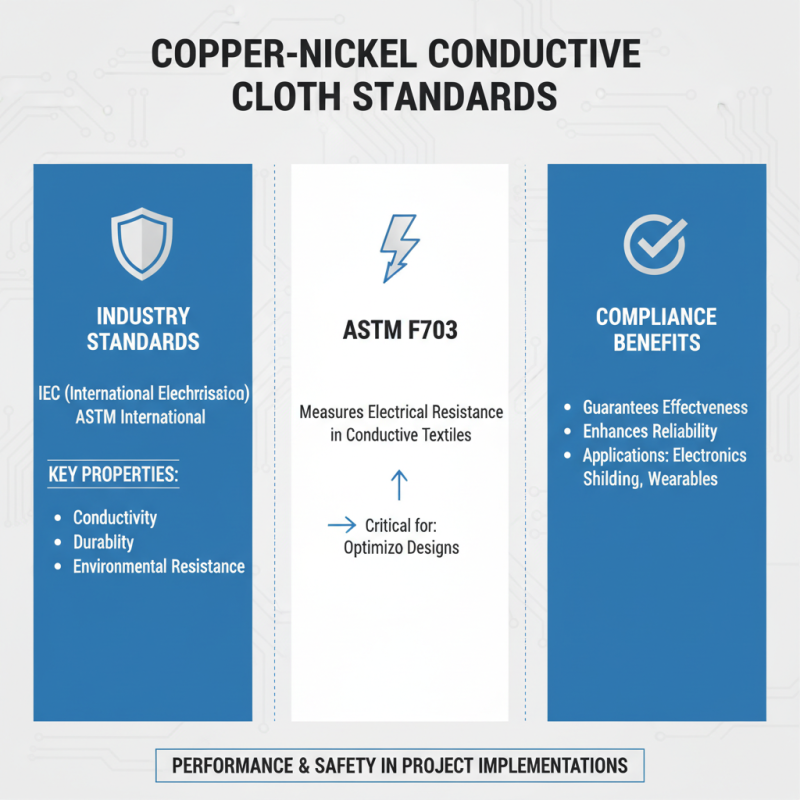
When working with copper nickel conductive cloth, it’s crucial to consider industry standards and compliance requirements to ensure performance and safety. The International Electrotechnical Commission (IEC) and ASTM International provide guidelines that govern the use of conductive materials, specifying essential properties such as conductivity, durability, and environmental resistance. For instance, ASTM F703 outlines the measurement of electrical resistance in conductive textiles, which is critical for optimizing designs in applications ranging from electronics shielding to wearables. Compliance with these standards can help guarantee the effectiveness and reliability of conductive cloth in various project implementations.

Moreover, understanding material specifications is vital to achieving compliance with the RoHS (Restriction of Hazardous Substances) directive, which limits the use of certain hazardous materials in electrical and electronic equipment. Research indicates that textiles incorporating copper and nickel alloys can meet these regulations when sourced responsibly and manufactured under stringent conditions. To ensure compliance, project managers should collaborate with suppliers who can provide certifications and test results confirming that the materials meet both industry standards and environmental regulations. This diligence not only reinforces the project’s credibility but also minimizes risks associated with non-compliance, which can lead to costly recalls or reputational damage.

FAQS

: What is copper nickel conductive cloth and what are its primary characteristics?

: Copper nickel conductive cloth is a flexible fabric that combines the properties of copper and nickel, providing excellent electrical conductivity, lightweight, and flexibility. This makes it suitable for various electronic applications, including EMI shielding and grounding.

In what applications can copper nickel conductive cloth be used?

This material can be applied in a variety of fields, including aerospace, automotive, and medical devices, where it is utilized for electrical grounding and reducing weight, as well as in wearables and smart textiles for efficient energy transfer.

Why is precision important when cutting copper nickel conductive cloth?

Precision is crucial because improper handling, such as using dull tools, can lead to fraying and performance loss. Clean cuts ensure optimal conductivity and performance in electrical applications.

What tools are recommended for cutting copper nickel conductive cloth?

It is recommended to use sharp, non-serrated scissors or a rotary cutter to ensure clean edges and minimize fraying.

What is the recommended cutting angle for copper nickel conductive cloth?

The optimal cutting angle is between 30 and 45 degrees, which helps achieve precise edges that enhance the durability of the fabric.

How can heat be used when shaping copper nickel conductive cloth?

A heat gun set to a low temperature can be gently applied to mold the cloth into desired shapes without compromising its electrical properties. This can also improve adhesion when bonding with other materials.

What should be considered when shaping copper nickel conductive cloth?

It is advisable to shape the fabric at room temperature to reduce the likelihood of damaging the copper nickel interface and to ensure the integrity of its electrical properties.

How does corrosion resistance benefit copper nickel conductive cloth applications?

The resistance to corrosion ensures long-lasting performance of the fabric in challenging environments, making it suitable for various demanding applications in modern engineering and design.

Why is it important to follow best practices when working with copper nickel conductive cloth?

Adhering to best practices during fabrication, such as proper cutting and shaping techniques, maximizes the performance and longevity of the conductive cloth, ensuring that it meets the requirements of high efficiency and low electromagnetic interference.

What are the advantages of using copper nickel conductive cloth in tech-driven projects?

Its lightweight, flexible nature, excellent conductivity, and durability make copper nickel conductive cloth a versatile material ideal for enhancing prototypes and innovative solutions in electronic and tech-driven projects.

Conclusion

Copper Nickel Conductive Cloth is a versatile material widely used in various electronic and electromagnetic applications due to its excellent conductivity and durability. Understanding the key properties of copper nickel alloys, such as their ability to maintain conductivity under different conditions, is essential for effectively integrating this cloth into projects.

To achieve the best results, it is crucial to follow best practices when cutting and shaping the fabric, as well as employing effective methods for its installation and attachment. Regular maintenance can significantly enhance the longevity and performance of copper nickel conductive fabrics, ensuring they meet industry standards and compliance considerations. By leveraging these tips, users can maximize the benefits of copper nickel conductive cloth in their projects.

Liam

Liam

Liam is a dedicated marketing professional at SHIJIAZHUANG 3L TECHNOLOGY CO., LTD., where he has been instrumental in showcasing the company’s expertise in advanced technical textiles since 2009. With a deep understanding of high-performance Tech-textile materials, Liam plays a vital role in......
Previous Exploring the Versatility of Silver Coated Fabric for Global Industries